
Spring is in the air! Bring the colors and flavors of spring into your kitchen with a rainbow of fresh, seasonal ingredients. Keep reading to learn what fruits and vegetables are in season now, how to choose fresh produce, and recipes for easy meals made with fresh ingredients.
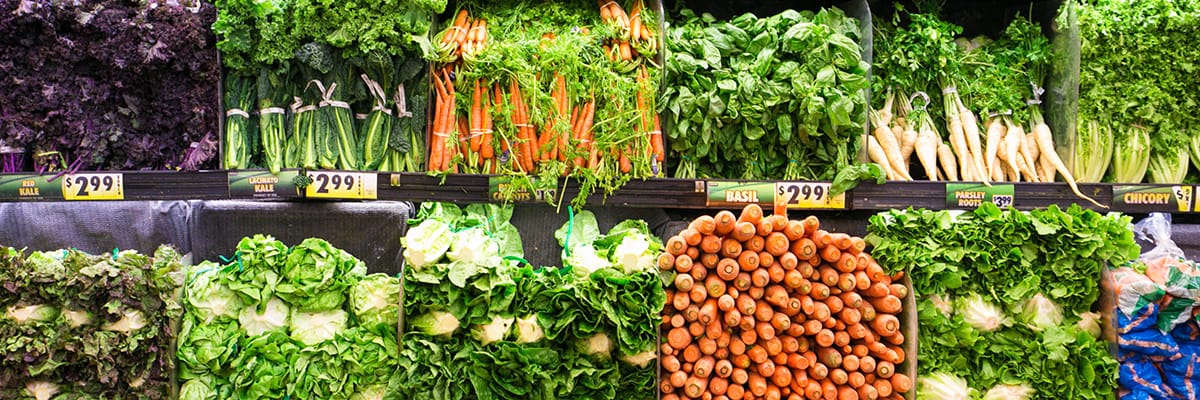
Spring brings some of the year’s best produce to grocery stores. Here’s a quick reference for what’s in season between March and June, and what’s worth adding to your cart.
| Vegetables | Fruits |
| Artichokes Asparagus Broccoli Cabbage Carrots Celery Collards Garlic Kale Lettuce Mushrooms Onions Peas Spinach | Apples Apricots Avocados Bananas Blackberries Kiwifruit Lemons Limes Pineapples Plantains Strawberries |
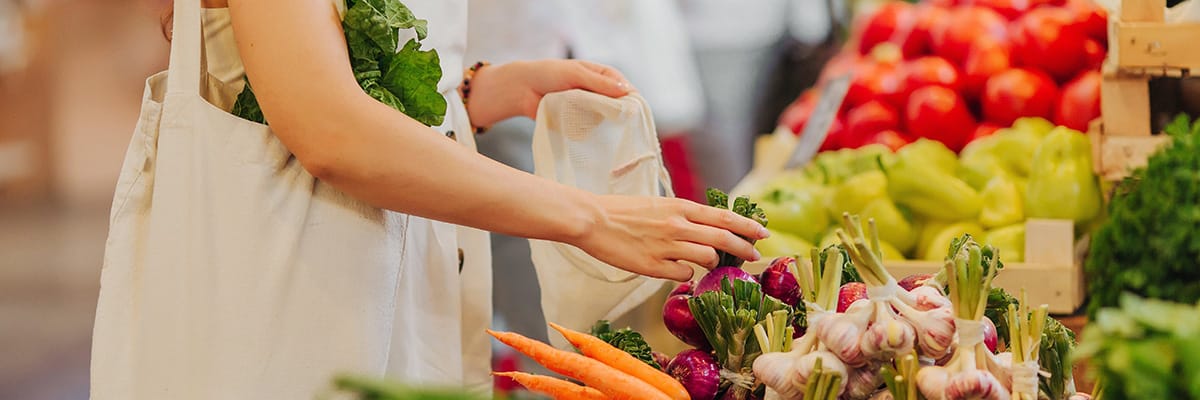
Wondering how to tell if produce is fresh? Check color, firmness, smell, and shape.
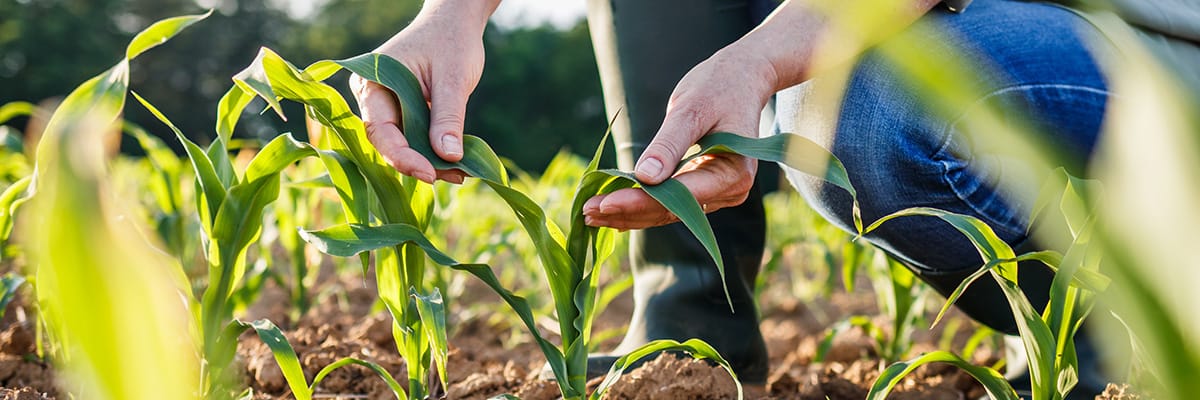
Organic fruits and vegetables are grown without the use of synthetic pesticides, herbicides, or fertilizers, which can make them a healthier choice for both you and the environment. Although organic produce is farmed differently from conventional produce, both types of food are required to meet the same set of safety standards in the United States. If you can’t find organic produce near you or if organic options don’t fit into your budget, conventionally grown foods are also safe and nutritious.
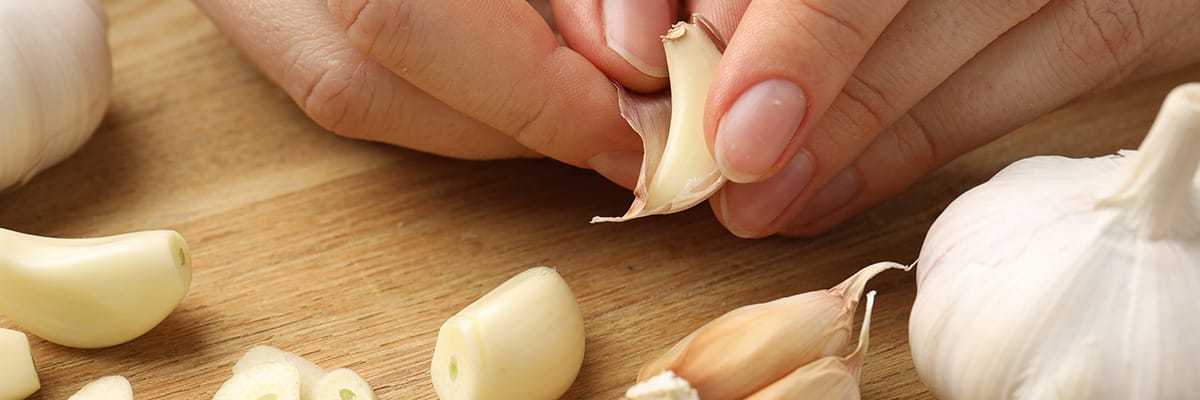
Aromatics are herbs, spices, and vegetables such as garlic, onions, shallots, and ginger that add flavor and aroma to dishes. Aromatics are the base for soups, stews, stir-fries, and braises.
Remove garlic cloves from the bulb, peel the cloves, then slice, dice, or mash into a paste. Sauté sliced or diced/minced garlic in oil or butter over medium-low heat for 1-2 minutes until fragrant. Avoid high heat, which causes garlic to burn and turn bitter. Use mashed fresh garlic as a quick flavor booster that mixes beautifully into softened butter, creamy sauces, and salad dressings.
For high-volume cooking or when preparing meals on busy weeknights, reach for Spice World Fresh Organic Peeled Garlic. You’ll save on prep time without sacrificing flavor. When you aren’t pressed for time, choose fresh whole garlic bulbs for all-purpose cooking or for roasting. Whole fresh garlic also has a longer shelf life, often staying fresh for months.
Though shallots resemble small red onions, they have a more delicate, sweeter flavor. Think of them as a garlic-onion hybrid. Use raw, minced shallots to add a pop of flavor to vinaigrettes or mix into bruschetta or guacamole for a mild yet complex flavor.
Shallots can be sautéed, roasted, caramelized, or fried. Try cooked shallots as a topping for burgers, stir-fries, rice dishes, steak, or pizza.
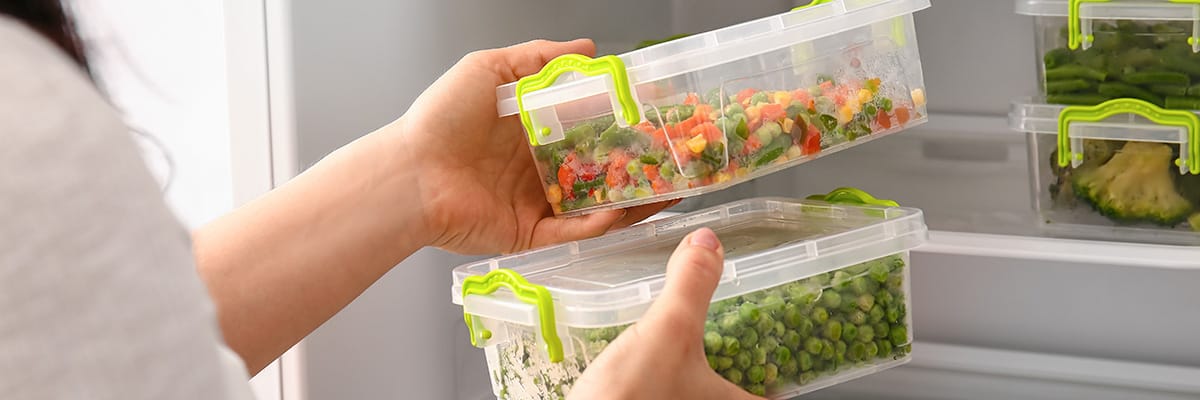
With all ingredients, remember the FIFO rule: First in, first out.
Spring into salad season with these cool, colorful recipes. They’re packed with flavor from fresh seasonal ingredients and ready in under 30 minutes.

Cruciferous vegetables (broccoli, Brussels sprouts, cabbage, cauliflower, and kale) are nutritional powerhouses! Since cauliflower is harvested in fall, substitute it with seasonal broccoli in this bright and zesty salad recipe.
Pro tip: For added depth of flavor, toss broccoli florets in olive oil and roast in a 425°F oven before combining with the other ingredients.
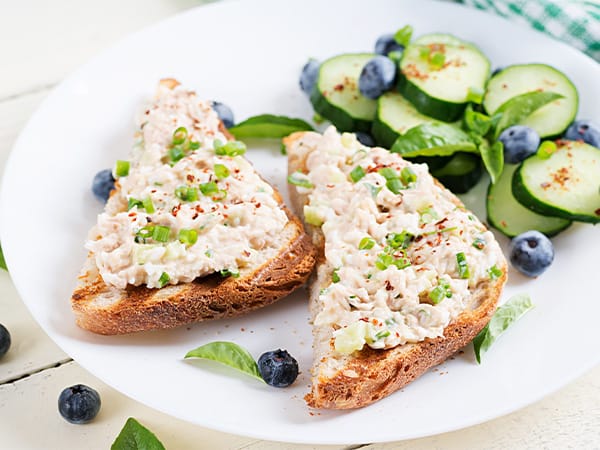
Tuna salad is a perennial favorite that’s perfect for spring picnics. This version gets a pop of warm spice from Spice World Garlic and Chili Onion Crunch seasoning blend.
Serving suggestion: Serve the tuna salad on whole grain bread with sliced avocado and a spinach and strawberry salad.
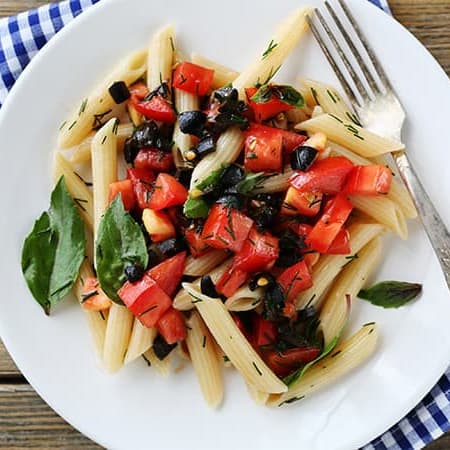
Tomato, black olives, mozzarella, and fresh basil and mint combine in this simple yet satisfying spring salad. For extra protein, add grilled chicken or shrimp.
When cooking with fresh ingredients, the possibilities are endless. Visit your local farmers market to find fresh, seasonal produce, and then have fun making new tasty spring recipes. Find more recipe inspiration featuring fresh spring vegetables at Spice World Inc.
A good rule of thumb is to buy only the quantity of leafy greens and soft fruits you can realistically use within three to five days. For hardy vegetables like carrots and cabbage, purchase only enough for one to two weeks. Planning a loose weekly menu before shopping helps cut down on waste.