
For many of us, New Year’s resolutions are all about doing more: getting more sleep, saving more money, or eating more veggies. But sometimes resolutions mean doing less, like cutting back on fast food, sugar, or calories to lose weight or lower cholesterol.
Whatever your goal, planning is key. Ready to start meal prepping to support your health? Read on for tips, recipes, and strategies to make 2026 your healthiest year yet!


According to the USDA’s MyPlate guidelines, a balanced plate should include roughly half vegetables and fruits, with the other half split between lean protein and whole grains. This simple visual approach makes meal planning intuitive and ensures you’re getting essential nutrients at every meal.
Understanding Macronutrients
The Role of Protein
Protein keeps you fuller longer and supports muscle recovery after workouts. According to the International Society of Sports Nutrition, aim for 20-40 grams of protein per meal for optimal results.
Best protein sources for meal prep:
Pro tip: Batch-cook proteins with simple seasonings, then repurpose across salads, wraps, and grain bowls throughout the week.
Carbohydrates for Energy
Complex carbs provide steady energy without blood sugar crashes. They contain fiber that slows digestion and keeps you fueled throughout the day.
Top complex carbs for meal prep:
Healthy Fats and Micronutrients
Healthy fats support hormone production, brain function, and help absorb vitamins A, D, E, and K from your vegetables.
Best healthy fat sources:
Balanced Meal Inspiration: Garlicky Ginger Chicken Bowls from Allie’s Kitchen Table
| Day | Breakfast | Lunch | Dinner | Snack |
|---|---|---|---|---|
| Monday | Veggie Omelet with Onions & Peppers | Sheet-Pan Roasted Garlic Herb Chicken & Veggies | Stir-Fry Rice | Greek Yogurt with Berries |
| Tuesday | Overnight Oats with Ginger & Almonds | Quinoa & Roasted Veggie Salad | Garlic-Ginger Salmon with Asparagus | Hummus & Carrot Sticks |
| Wednesday | Scrambled Eggs with Spinach & Feta | Turkey Lettuce Wraps | Chicken & Broccoli Stir-Fry | Mixed Nuts |
| Thursday | Whole Wheat Pancakes with Honey | Grilled Chicken & Avocado Salad | Spaghetti Squash with Turkey Marinara | Apple Slices with Peanut Butter |
| Friday | Protein Smoothie with Banana & Ginger | Grilled Salmon & Quinoa Bowl | Lemon-Garlic Shrimp with Rice | Whole-Grain Crackers |
Meal prep is a great strategy to help you lose or maintain your current weight. With meal prep, you’re ensuring your meals provide a variety of “clean”, nutritious foods, in perfectly-portioned, portable containers.
Here are 4 tips to keep in mind:
Macronutrient Breakdown: Garlic-Ginger Salmon with Asparagus
Total: ~450 calories with balanced macros (31% protein, 34% carbs, 32% fat)
This combination keeps you satisfied for 3-4 hours while supporting your fitness and weight management goals. Also, garlic and ginger add anti-inflammatory effects without extra calories.

The biggest barrier to consistent meal prep isn’t motivation—it’s time. Between work, family, and other commitments, spending hours chopping vegetables can feel overwhelming. The solution? Strategic use of ready-to-use products that deliver fresh flavor without the prep work. Here’s how to work smarter, not harder:

Saving money doesn’t mean sacrificing flavor. Try these tips for stretching ingredients across meals:
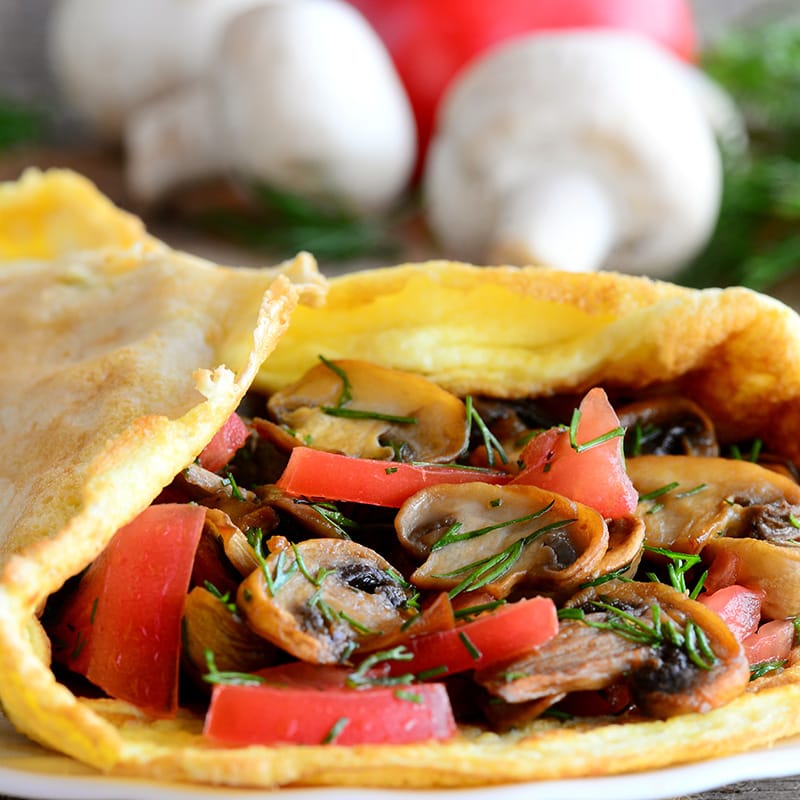
Start your day with a nutritious boost by adding colorful veggies to your morning routine. These omelets are easy to customize and prep in advance.

This one-pan recipe is a lifesaver for busy days. It’s simple to prep and packed with flavor, thanks to Spice World’s ready-to-use products.
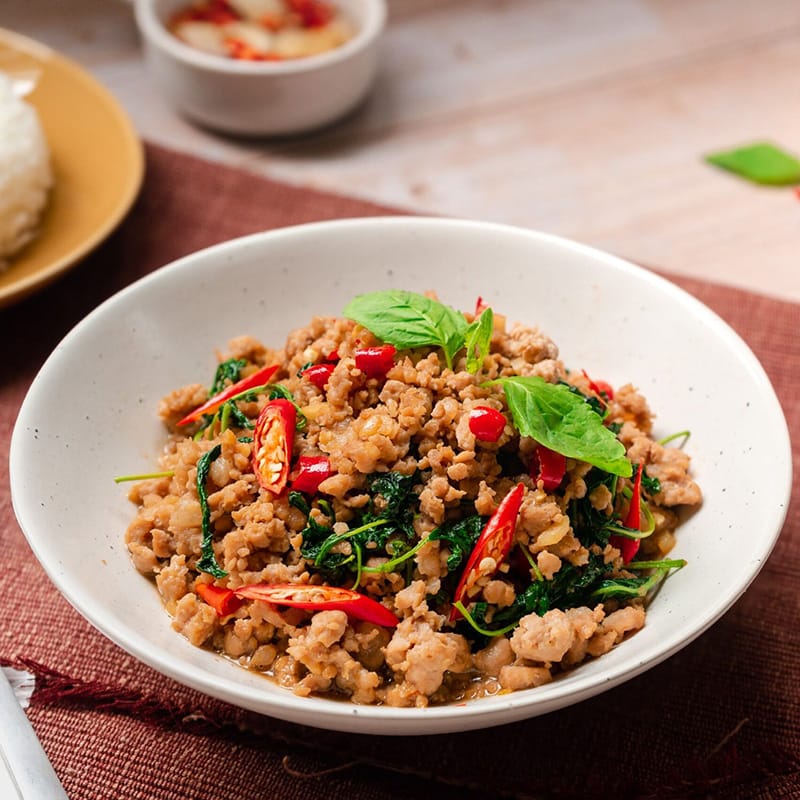
These rice bowls combine veggies, grains, and proteins for a flexible, customizable meal. The ginger-sesame dressing adds a flavorful finishing touch.

A sizzling dish that brings restaurant-quality flavors to your table. Pair it with brown rice or quinoa for a balanced, nutrient-rich meal.
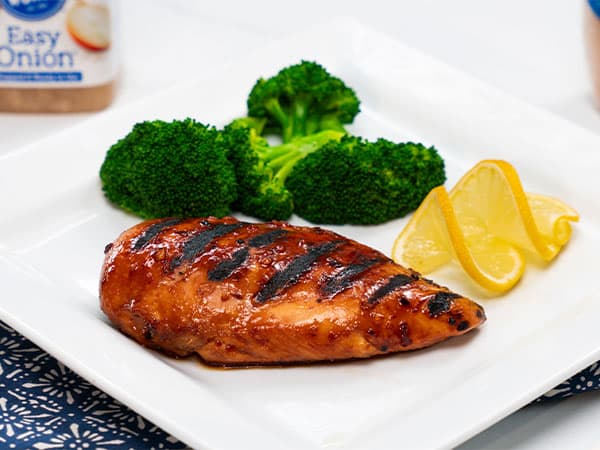
This versatile marinade is perfect for proteins like chicken, seafood, or tofu. Its sweet and savory flavors shine in stir-fries, lettuce wraps, or served with soba noodles.
Start small by prepping three meals a week, focusing on portion control and nutrient-dense foods like lean proteins, veggies, and whole grains.
Plan meals with 5 ingredients or fewer. Every week, make sure you have:
Consider different textures to mix things up. This could be taco bowls one day using ground chicken or turkey, and a salmon dish with a fresh fillet another day.
Cook the items that take the longest first. For example, roasted potatoes take longer than cooking quinoa, so start the potatoes in the oven first and cook the quinoa stovetop while the potatoes roast.
Choose durable, reusable glass or BPA-free plastic containers with compartments for easy portioning.